Busy Bees cleans offices across Auckland on a schedule that fits how your workplace is actually used: every weeknight, a few times a week or weekly, usually after hours. We've been a New Zealand family-owned cleaning business since 1993, and our staff are police-checked and fully insured. Before the first clean you get a written scope that says what's cleaned, how often and when.
Office cleaning covers the shared spaces people use every day: workstations, meeting rooms, reception, kitchens and kitchenettes, washrooms, floors and bins. Routine visits deal with rubbish, surfaces, floors and hygiene points. Periodic work, such as carpet extraction, window cleaning and hard floor polishing, runs on its own schedule. What’s in and what’s out should be written down before the first clean.
A typical routine visit covers:
Fridge clean-outs and high dusting are weekly or monthly items. Agreeing that up front prevents the most common complaint in office cleaning: “they never do the fridge”.
We clean small professional offices, tenancies in multi-level Auckland CBD buildings, medical and dental suites, co-working spaces and businesses with more than one site. Each needs a different scope. A five-person accountancy needs a tidy reception and spotless washrooms. A co-working floor needs its shared kitchen and high-touch surfaces done every visit, because people from many businesses use them. For facility management across several sites, one scope format and one point of contact keep standards the same everywhere.
In medical and dental suites we clean reception, waiting rooms, staff areas and washrooms to your practice’s own procedures. We confirm the scope when we quote. If your site is a shop, warehouse, school or factory, or mixes offices with other spaces, see our commercial cleaning services.
Most offices need washrooms, kitchens and bins done every visit, floors and desks on most visits, and detail work weekly or monthly. Carpets, windows and hard floors run on a longer cycle of their own. The table below is a typical starting point. We adjust it to your headcount, how many visitors you get and the floor types you have.
| How often | Typical tasks |
|---|---|
| Every visit | Washrooms cleaned and restocked · kitchen benches, sinks and tables · bins and recycling · high-touch surfaces · walkways vacuumed, hard floors mopped |
| Weekly | Full vacuum under desks and along edges · sills, shelves and partitions dusted · kitchen appliances in detail · internal glass |
| Monthly | High dusting of vents and light fittings within safe reach · skirting boards · chair bases · fridge clean-out by arrangement |
| Periodic (quarterly to yearly) | Carpet hot water extraction · window cleaning · hard floor scrubbing, stripping and polishing · upholstery |
In Auckland’s wetter months, entrances collect more grit and moisture, so mats and hard floors near the doors may need attention every visit.
Most Auckland office cleaning happens after hours: in the evening once staff have gone, early in the morning before they arrive, or at weekends. Cleaners can then reach every desk and meeting room without working around people, and your team starts the day in a clean office. In multi-level CBD buildings, building management usually sets the cleaning window, and the cleaners work within it.
We book your cleans after hours, early in the morning or at weekends, to suit your building and your business. In the CBD that means working with swipe access, concierge sign-in, lift timing and the building’s waste rules. Where other tenants are still working, we use quieter methods.
Your cleaners will hold keys, swipe cards or alarm codes, so the arrangement should be written down from the start. Agree who holds what, how alarm codes are issued and changed, what gets checked at lock-up, and who is called if something’s wrong. All Busy Bees staff are police-checked, and we’re fully insured.
Where your alarm allows it, give cleaners their own codes so each entry shows in the log. List no-go areas such as comms rooms and locked offices, and change codes if a cleaner leaves or the contract ends.
Consumables are the supplies that get used up: toilet paper, hand towels, hand soap, bin liners and, in some offices, dishwasher tablets. You can buy them yourself and the cleaners restock from your store cupboard, or we can supply and manage them for you. Either way, the quote should say which, so the washrooms don’t run out between visits.
Sanitary bins are usually serviced by a specialist hygiene provider, so tell us who services yours. We use eco-friendly cleaning products in offices.
The business that runs a workplace must make sure, so far as is reasonably practicable, that its toilets, hand-washing facilities, drinking water and staff eating areas are kept clean, safe and in good working order. That duty comes from the Health and Safety at Work Act 2015 and its workplace regulations. A cleaning contract helps you meet it. It doesn’t transfer it to the cleaner.
WorkSafe calls this overlapping duties: businesses sharing a workplace must consult, cooperate and coordinate. In practice, tell your cleaners about hazards they might not see, such as building works or a restricted room, and expect them to report what they find. For hazardous cleaning products, WorkSafe requires a current safety data sheet at the workplace, so ask for them if you need them.
Office cleaning in Auckland is quoted to your site rather than taken from a price list. Most quotes are per visit or a fixed monthly fee, built from the time the clean takes, and large sites are sometimes priced per square metre. What moves the price is the scope, how often you need cleaning, the number of washrooms and kitchens, your floor types and when the cleaners can get in.
Our office cleaning cost guide explains each pricing model and what a fair quote should include.
Switching is mostly a handover: a written scope, keys and alarm codes, building rules, and a start date that lines up with your current contract’s notice period. Check that notice period before you give notice. We walk the site with you, agree the scope and schedule, and confirm who you call from the first night. Then collect the outgoing cleaner’s keys and change your alarm codes.
One rule surprises many businesses. Under Part 6A of the Employment Relations Act 2000, cleaners who lose work because a cleaning contract moves to a new provider may have the right to transfer to that provider on their existing terms. It’s worth raising early with both providers.
We clean offices across Auckland, including the CBD, Britomart, Viaduct and Wynyard Quarter, Parnell, Newmarket, Ponsonby, Grafton and Eden Terrace, Albany/Rosedale and Takapuna on the North Shore, Rosebank/Avondale, Henderson, Onehunga, Penrose, Mount Wellington, East Tāmaki, Manukau and Airport Oaks. CBD tenancies usually mean after-hours access through building management. Suburban business parks are more often key or alarm-code access with parking on site. If your office is somewhere else in Auckland, ask, and we’ll tell you straight away whether we cover it.
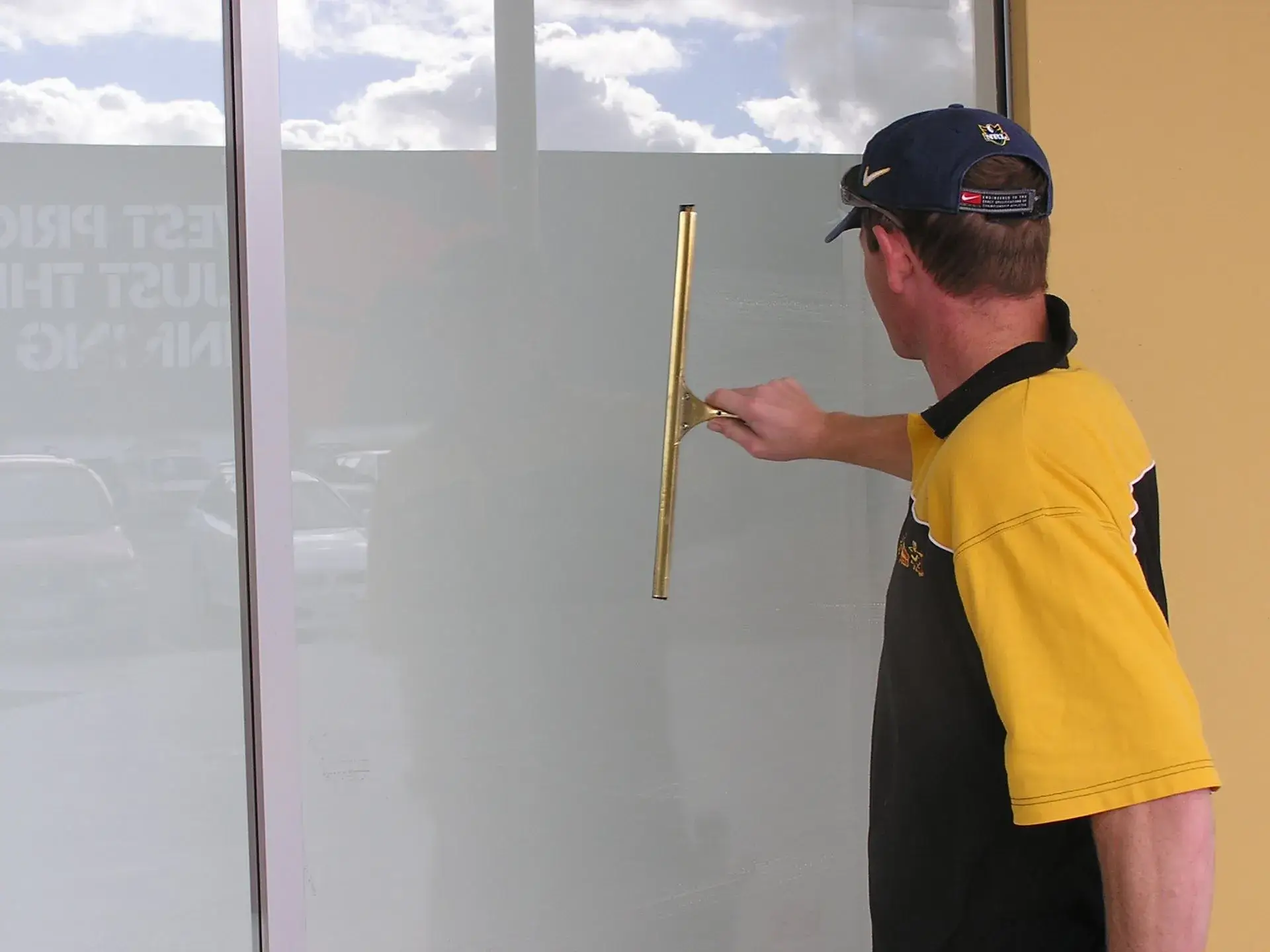
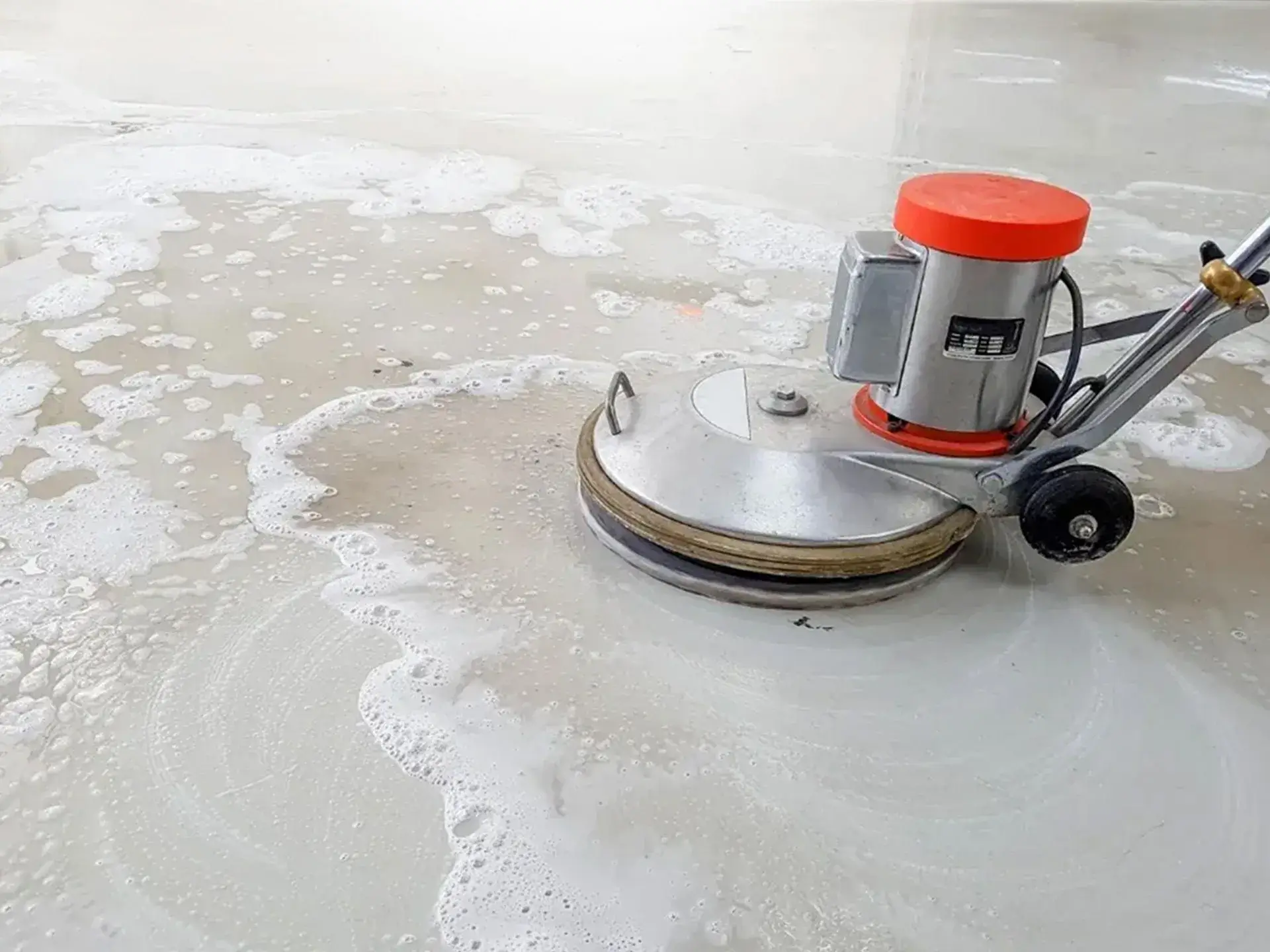
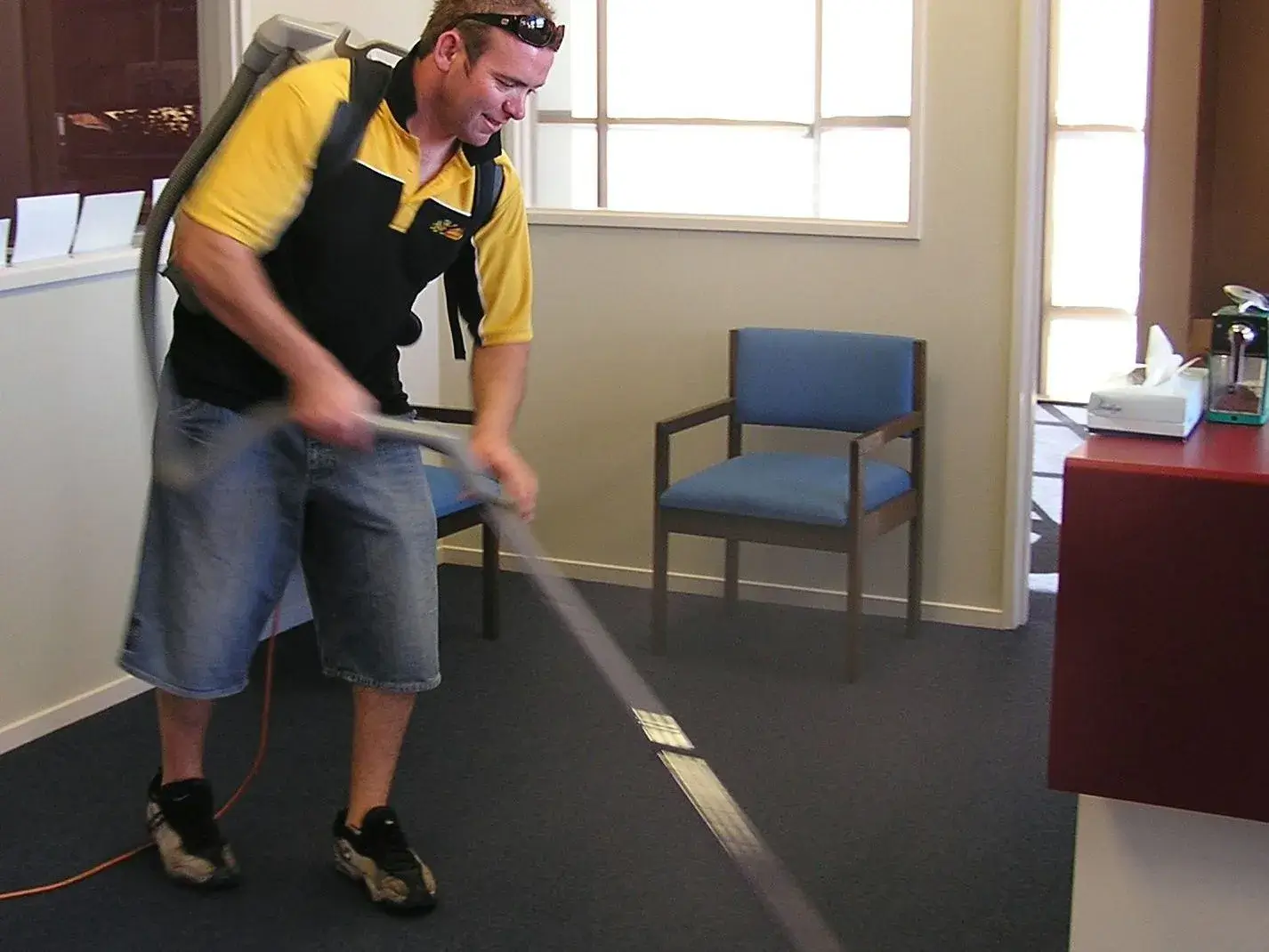
Periodic work keeps an office looking cared for between routine cleans, and it’s easiest to plan alongside your regular schedule. We do office carpet cleaning after hours with hot water extraction, so carpets are ready for the next working day. Window cleaning covers interior and exterior glass up to 6 metres high, and hard floor care covers scrubbing, stripping and polishing.
Tell us your address, roughly how big the office is, how many people work there, how many washrooms and kitchens you have, and when cleaners can get in. We’ll look at the space and put the scope, schedule and price in writing.
Fill in the form below, or call 0800 287 923.
Office cleaning is the routine cleaning of a workplace’s shared areas: desks, meeting rooms, reception, kitchens, washrooms, floors and bins, plus high-touch surfaces such as door handles and light switches. It’s usually done after hours on a fixed schedule. Fridge clean-outs and high dusting are weekly or monthly, and carpets and windows are cleaned periodically.
Janitorial services means the routine, scheduled cleaning of a building: emptying bins, cleaning washrooms and kitchens, vacuuming and mopping floors, and restocking supplies. The word comes from “janitor”, which is more common in North America, where a janitor may also do minor maintenance or lock-up. In New Zealand the same work is usually called office or commercial cleaning.
In everyday use there’s little difference. “Janitorial” usually means ongoing, routine upkeep of a building, while “cleaning” can also cover one-off or specialist jobs such as carpet extraction, window cleaning or a deep clean. Some janitorial contracts include small extras, such as changing light bulbs. Whatever it’s called, check the written scope.
It depends on headcount and traffic. Small private offices often suit two or three cleans a week. Offices with 10 to 30 staff, or with regular visitors, usually need daily or near-daily cleaning. Washrooms and kitchens set the pace, because they need attention most often. Carpets and windows are cleaned quarterly to yearly.
Yes. Office cleans are booked after hours, early in the morning or at weekends, to suit your building and your business. In CBD buildings we work within the cleaning window set by building management, including inductions, swipe access and lift timing. Keys and alarm codes are handled under an agreed routine.
There’s no single going rate in Auckland, because office cleaning is quoted to the site rather than from a set hourly price. The cost depends on how long your clean takes at your chosen frequency, plus consumables and any periodic work such as carpets or windows. For a fixed price for your office, get a free quote.

We provide an after-hours service for all commercial carpet & upholstery cleans. This service can clean the deepest stains yet gentle enough not to damage furniture. Leaving the space smells fresh and clean.

Our team is highly experienced with cleaning for the retail sector and has completed several large retail stores including front/display window maintenance.

With our expert care, your hard flooring will shine brightly and create a striking visual impact while our protective treatment ensures it lasts for years.