Busy Bees cleans fabric sofas, couches, lounge suites, armchairs, dining chairs and office seating in homes and workplaces across Auckland. We read each piece's cleaning code first, treat stains and odours, then clean it in a way that fabric can take. Hot water extraction and low-moisture cleaning are the two methods used in the industry, and we choose the method for the fabric when we quote.
Upholstery cleaning is the deep cleaning of padded, fabric-covered furniture: sofas, couches, armchairs, dining chairs and headboards. It removes the body oils, dust, food, pet hair and spills that build up in the fabric and the filling underneath, which a vacuum alone can’t reach. Done properly, the method suits the fabric, so colour, texture and shape survive the clean.
We clean most fabric-covered furniture in Auckland homes, rentals and workplaces, where it stands, without taking it away. That covers everyday sofas and lounge suites through to armchairs, dining chairs, headboards and office seating. We check what each piece can take before we quote.
A professional upholstery clean follows the same order every time: inspect the piece and read its cleaning code, vacuum out loose soil, pre-treat stains and heavy soiling, clean it with the method chosen for that fabric, then groom the fibres and set the furniture up to dry. Most of the skill is in the first step.
Synthetic fabrics are generally the easiest to clean. Natural fibres need more care: cotton, linen and viscose can shrink, water-mark or brown if they’re overwetted or dry too slowly, and wool needs gentle products. Velvet’s pile can crush. Anything coded X needs a different approach, which is why we check the code first.
| Fabric | What to know |
|---|---|
| Polyester and synthetic blends | Usually hard-wearing; oily armrest marks can be stubborn |
| Microfibre | Codes vary; water on a solvent-only (S) microfibre can leave rings |
| Cotton, linen, viscose (rayon) | Plant-based fibres that can shrink or brown if overwetted; low moisture, quick drying |
| Wool | Usually needs gentle, pH-balanced products |
| Velvet and chenille | Pile must be protected; X-coded velvets are vacuum only |
Often, yes, but not always. Fresh food and drink spills, general grime and many pet accidents usually come out or fade well. Dye stains, bleach marks, ink, sun fading and stains that have been heat-set or scrubbed at home often can’t be fully removed, because the fibre itself has changed. We’ll tell you what to expect at the inspection, before we start.
Pet urine is the hardest smell to shift because it often soaks into the cushion filling, where surface cleaning can’t reach. If the foam is saturated, a new cushion inner may be the only full fix. Stain removal on upholstery follows the same principles as on carpets: see how professional cleaners remove stains, and when they can’t.
Published NZ marketplace figures put a professional clean of one fabric couch or sofa at roughly $80 to $160, and recent Auckland jobs for a two-couch lounge suite were around $150 to $200. The price moves with the number of seats, the fabric, how soiled it is, and whether it needs stain or odour treatment. These are typical NZ market ranges, not Busy Bees’ prices.
| Item | Typical NZ market range |
|---|---|
| One fabric couch or sofa (2–3 seats) | about $80–$160 |
| Lounge suite (3-seater + 2-seater) | about $150–$200 in recent Auckland jobs |
| Armchairs and dining chairs | No reliable published NZ figure; quoted per item |
Delicate or solvent-only fabrics, heavy pet hair, greasy armrests, urine and difficult access (stairs, apartment parking) all add time. If you’re also having carpets done, ask us to quote both for the same visit. For a fixed quote on your furniture, get a free upholstery quote.
Upholstery and carpets are cleaned with the same approach: inspect, vacuum, pre-treat, clean and dry. Booking both on one visit means one appointment, and the whole lounge is done and dries in one go, which suits a move-out or a house sale. See carpet cleaning in Auckland.
Office chairs, meeting-room seating and reception couches get far more use than furniture at home, and hand marks and body oils show quickly on armrests and seat fronts. We clean commercial upholstery after hours, so chairs are dry before staff come back. Add it to your commercial cleaning or book a one-off.
Vacuum fabric furniture weekly with the upholstery tool, deal with spills straight away by blotting rather than rubbing, keep furniture out of direct sun to slow fading, and turn and plump loose cushions so they wear evenly. Before using any stain remover, check the code and test it somewhere hidden: our guide on how to clean upholstery at home shows how.
For most fabric couches, hot water extraction (what most people call steam cleaning) is the better choice, because it rinses the cleaning solution out along with the dirt. Shampoo that isn’t rinsed out can leave a sticky residue that attracts soil again. Fabrics that can’t take much water, such as S-coded fabrics and some natural fibres, suit a low-moisture or solvent clean instead.
A professional checks the fabric’s cleaning code, tests a hidden spot for colour bleed, vacuums, and pre-treats stains and greasy areas. They then clean with hot water extraction or a low-moisture method suited to the fabric, brush the pile and remove as much moisture as possible. Good cleaners tell you up front which marks won’t come out.
In New Zealand, published marketplace figures put a professional sofa clean at roughly $80 to $160 for one couch, and recent Auckland jobs for a three-seater plus two-seater were around $150 to $200. These are market ranges, not Busy Bees’ prices. Seats, fabric, soiling and stain or odour treatment move the price. For a fixed price, ask Busy Bees for a free quote.
The hot water and cleaning solution loosen the dirt, and the extraction wand sucks it straight back out of the fabric along with the water. It all ends up in the machine’s waste tank, which is why that water looks so dark afterwards. What’s left in the couch is a little clean moisture, which dries out over the following hours.
Usually a few hours, and longer for thick cushions, natural fibres or a cold, damp Auckland day. Low-moisture cleaning dries faster than hot water extraction. Open windows and run a fan, keep people and pets off until it’s dry to the touch, and don’t use a heater or hot hair dryer, which can set remaining marks.
Tell us what needs cleaning and we’ll send a fixed quote.
Fill in the form below, or call 0800 287 923.

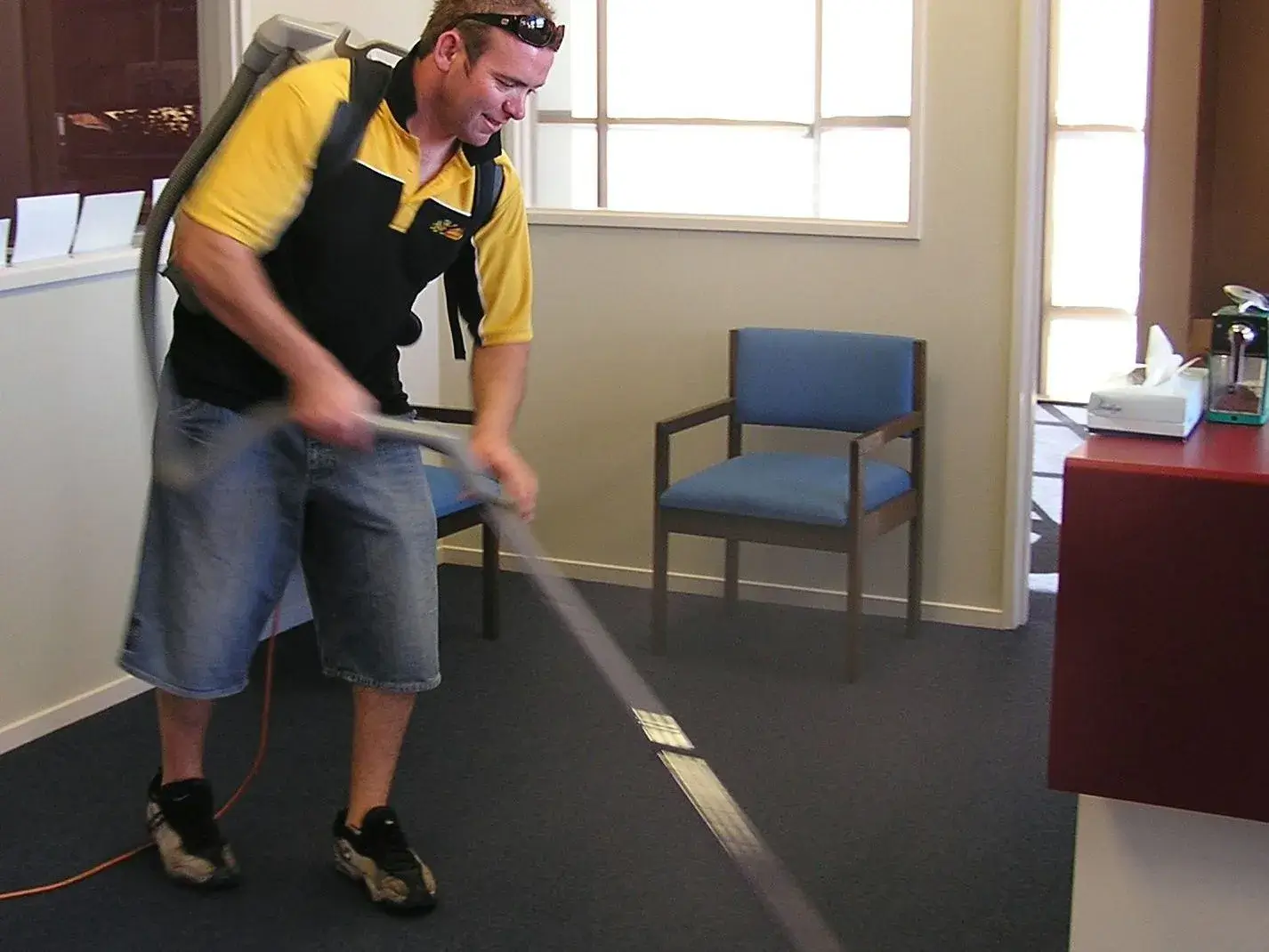
We provide an after-hours service for all commercial carpet & upholstery cleans.
This service can clean the deepest stains yet gentle enough not to damage furniture. Leaving the space smells fresh and clean.

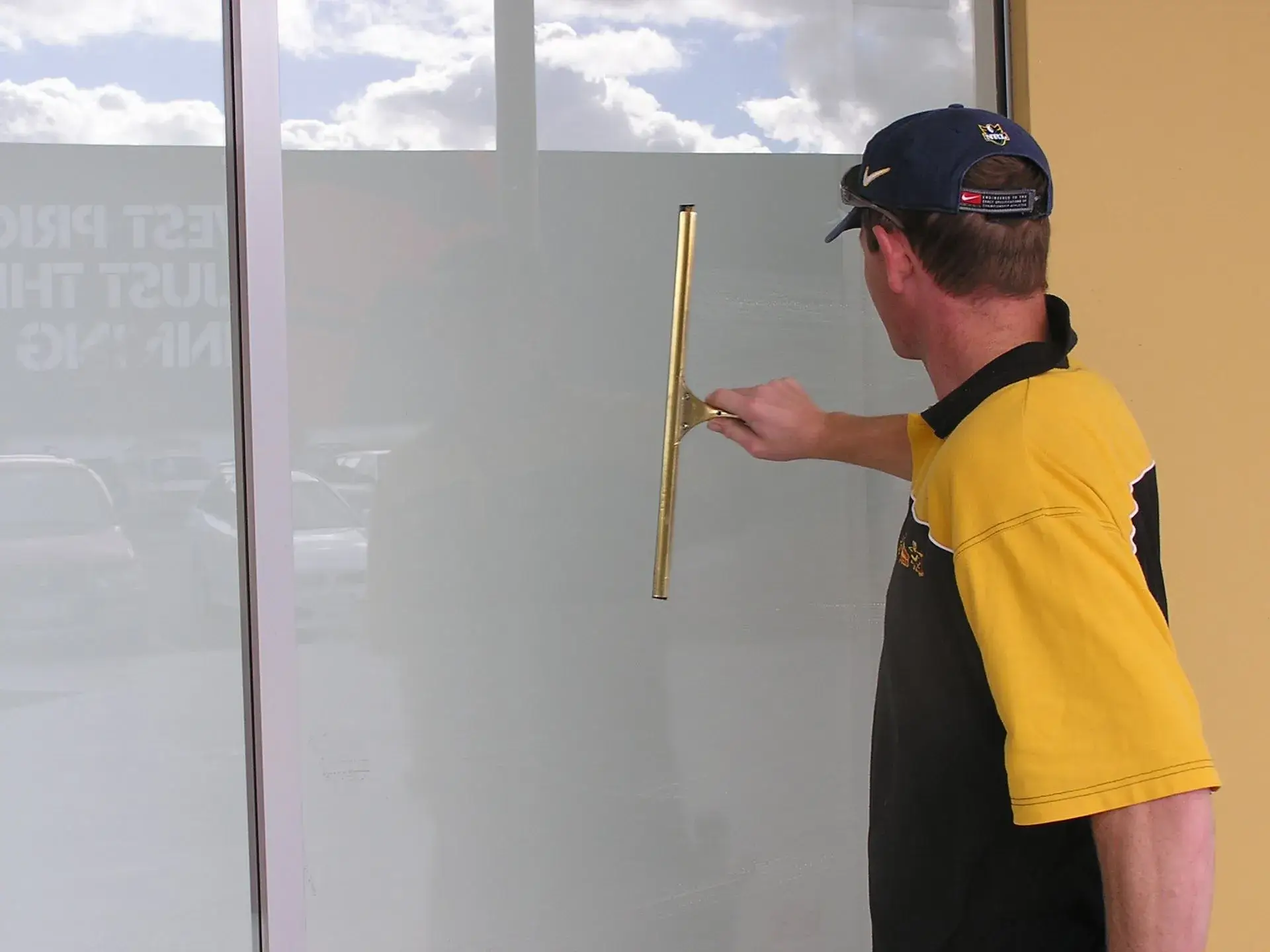
Our team is highly experienced with cleaning for the retail sector and has completed several large retail stores including front/display window maintenance.

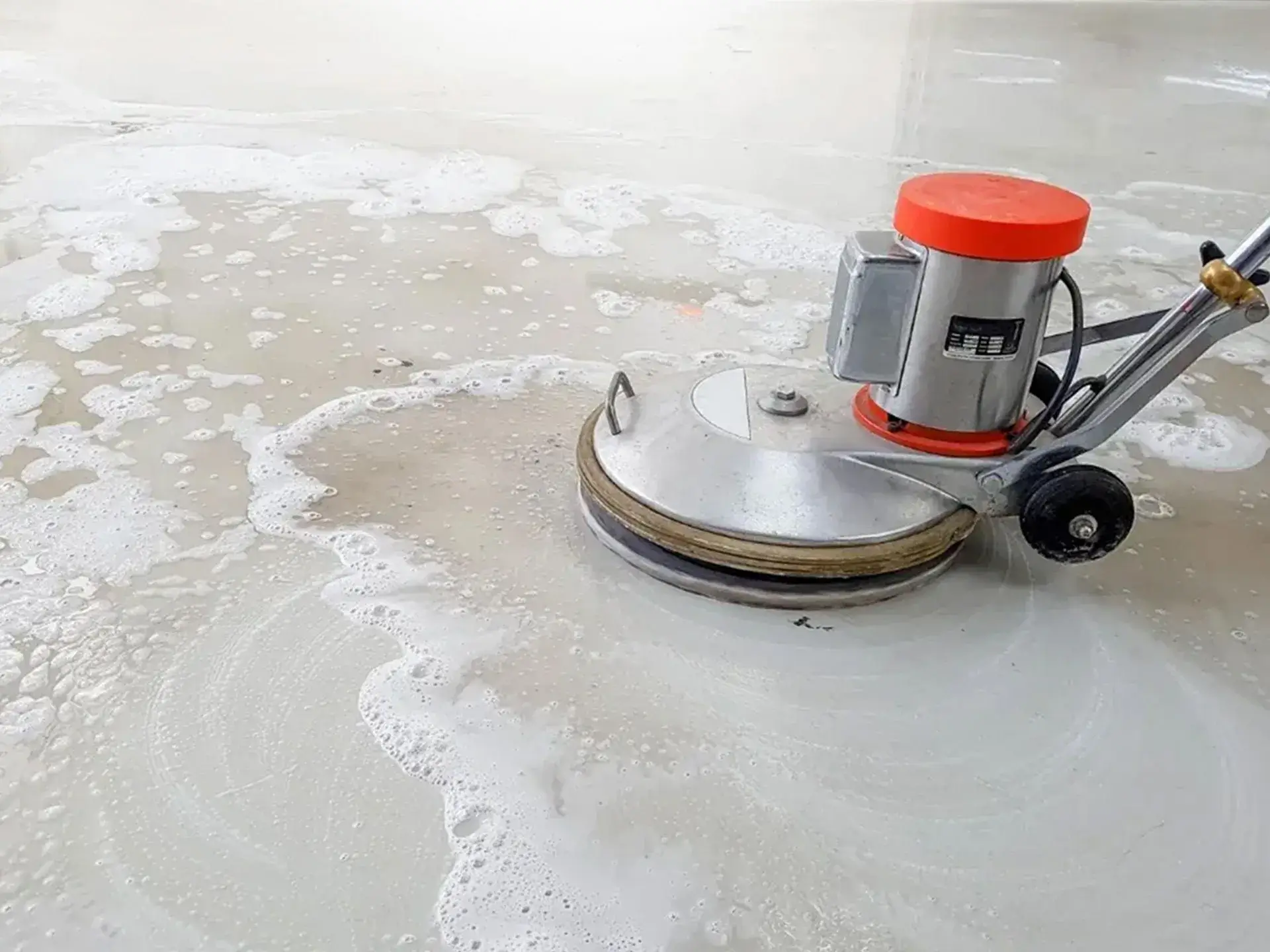
With our expert care, your hard flooring will shine brightly and create a striking visual impact while our protective treatment ensures it lasts for years.